10 Types of Windows for Your Home and How to Choose the Right One

Updated: Aug 14

Replacing your home's windows is a big investment, but choosing the right style can make a noticeable difference in your comfort, energy bills, and even your home's curb appeal. The right windows bring in natural light, improve ventilation, and help keep your home comfortable throughout the year. Many homeowners also notice several benefits after replacing old windows, including improved comfort, better insulation, and increased home value.
With so many window styles available, it's easy to feel overwhelmed. Should you choose double-hung windows because they're popular? Are casement windows really more energy efficient? Is a picture window worth it if it doesn't open?
The good news is that every window style is designed with a specific purpose in mind. Some are better for airflow, while others are made to maximize natural light or create a stunning architectural feature. Understanding how each type works will help you choose windows that fit your home's layout, lifestyle, and budget.
In this guide, we'll walk you through the 10 most popular types of windows, explain where they work best, and share practical tips to help you make the right choice.
TL;DR
Double-hung windows are the most versatile choice and work well in almost every room.
Single-hung windows are an affordable, energy-efficient option for homeowners on a budget.
Casement and awning windows provide excellent ventilation and weather resistance.
Sliding and picture windows are ideal for wide openings and maximizing natural light.
Bay, bow, garden, and skylight windows add character, increase daylight, and enhance your home's appearance.
Consider your home's style, ventilation needs, energy efficiency goals, and maintenance requirements before choosing new windows.
Professional installation helps ensure your new windows perform efficiently for years to come.
Why Choosing the Right Window Matters
Windows aren't just decorative features—they affect your home's comfort, efficiency, and functionality every day.
The right windows can:
Improve airflow throughout your home
Lower heating and cooling costs
Increase natural daylight
Reduce outside noise
Enhance curb appeal
Increase property value
Whether you're replacing old windows or building a new home, understanding the different window styles will help you make a smarter investment.
Quick Comparison of Window Types
Window Type | Best For | Ventilation | Energy Efficiency |
Double-Hung | Most homes | ★★★★★ | ★★★★☆ |
Single-Hung | Budget-friendly homes | ★★★☆☆ | ★★★★★ |
Casement | Kitchens & bathrooms | ★★★★★ | ★★★★★ |
Awning | Bathrooms & basements | ★★★★☆ | ★★★★★ |
Sliding | Wide openings | ★★★★☆ | ★★★★☆ |
Picture | Scenic views | ☆☆☆☆☆ | ★★★★★ |
Bay & Bow | Living rooms | ★★★☆☆ | ★★★★☆ |
Hopper | Basements | ★★★★☆ | ★★★★☆ |
Garden | Kitchens | ★★★★☆ | ★★★★☆ |
Skylights & Roof Windows | Attics & dark rooms | ★★★☆☆ | ★★★★☆ |
1. Double-Hung Windows

Best for: Homeowners looking for a versatile window that works well in almost every room.
If you're replacing windows throughout your home and aren't sure where to start, double-hung windows are often the safest choice. They're one of the most popular window styles because they're practical, easy to use, and complement almost any architectural style, from traditional farmhouses to modern homes.
Unlike single-hung windows, both the upper and lower sashes can slide open independently. This gives you better control over airflow. On cooler mornings, you can open the bottom sash to let fresh air in. During warmer months, opening both sashes allows warm air to escape through the top while cooler air enters through the bottom.
Many modern double-hung windows also include tilt-in sashes, making it much easier to clean the outside glass from inside your home.
Pros
Excellent ventilation throughout the home
Easy-to-clean tilt-in sashes
Matches traditional and modern homes
Available in a wide range of materials and sizes
Cons
Usually costs more than single-hung windows
More moving parts mean occasional maintenance
Pro Tip: If you're replacing every window in your home, double-hung windows provide one of the best balances of performance, appearance, and value.
2. Single-Hung Windows
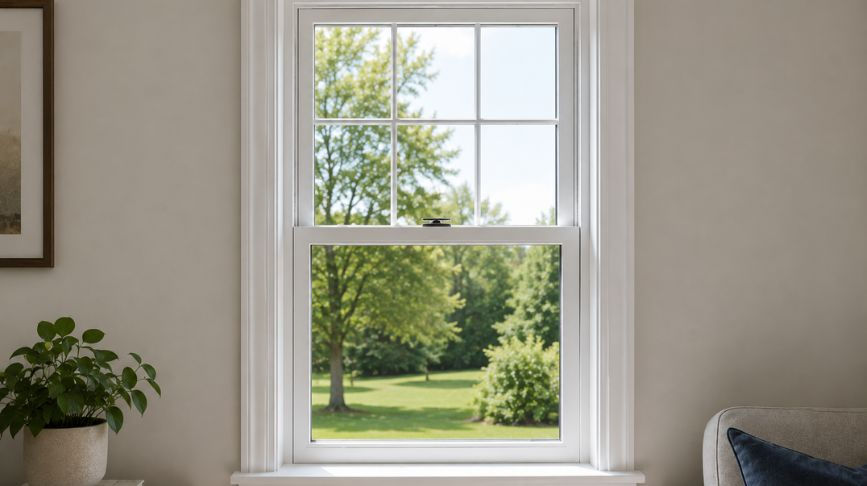
Best for: Budget-conscious homeowners and standard bedrooms.
If you're looking for a simple and affordable window without sacrificing energy efficiency, single-hung windows are worth considering.
At first glance, they look almost identical to double-hung windows. The difference is that only the bottom sash opens, while the upper sash remains fixed. Because fewer components move, these windows often create a tighter seal, helping reduce drafts and improve insulation.
Single-hung windows are commonly used in bedrooms, guest rooms, and rental properties because they offer dependable performance at a lower cost.
Pros
Affordable installation
Energy-efficient design
Simple to operate
Low maintenance
Cons
Less ventilation
Harder to clean from the outside on upper floors
Pro Tip: Single-hung windows are a smart option when you're replacing multiple windows on a budget but still want reliable performance.
3. Casement Windows

Best for: Kitchens, bathrooms, and rooms where ventilation is a priority.
Some rooms need more airflow than others, and that's where casement windows shine.
Instead of sliding up and down, casement windows are hinged on one side and open outward with a simple crank handle. Because the entire window opens, they allow more fresh air into your home than many other window styles.
They're especially popular above kitchen sinks because you don't have to stretch over the countertop to open them. The crank makes operation quick and effortless.
Another advantage is their energy efficiency. When the window closes, the sash presses tightly against the frame, helping block drafts and improve insulation.
Pros
Excellent ventilation
One of the most energy-efficient window styles
Easy to operate
Clear, unobstructed views
Cons
Requires exterior space to swing open
Crank hardware may eventually need replacement
Pro Tip: If lowering your energy bills is one of your goals, casement windows are among the best investments you can make.
4. Awning Windows
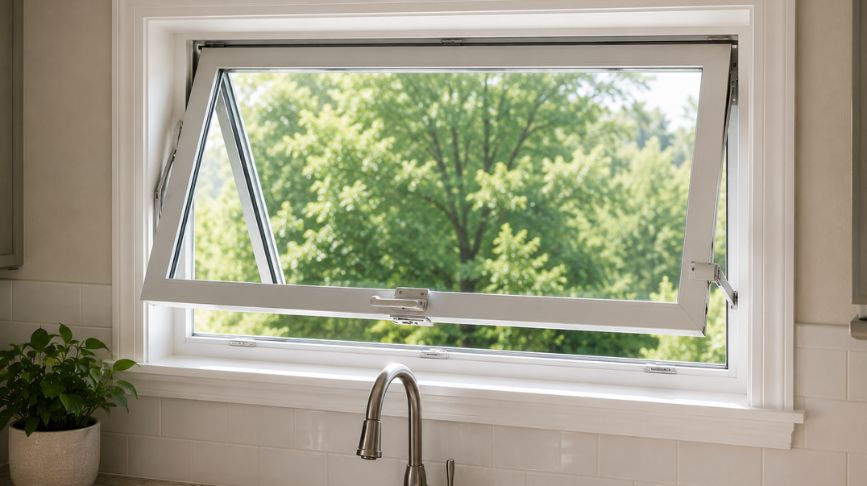
Best for: Bathrooms, basements, laundry rooms, and areas where privacy matters.
Awning windows are a great solution when you want fresh air without worrying about unexpected rain.
They're hinged at the top and open outward from the bottom, creating a small awning that helps keep water outside while allowing airflow inside. This makes them especially useful in bathrooms, laundry rooms, and basements.
Because they're often installed higher on the wall, awning windows also provide additional privacy while still bringing in natural light.
Pros
Can remain open during light rain
Good weather protection
Excellent energy efficiency
Ideal for smaller spaces
Cons
Usually available in smaller sizes
Doesn't open as wide as a casement window
Pro Tip: Pair awning windows with larger picture windows to enjoy expansive views while maintaining good ventilation.
5. Sliding (Glider) Windows

Best for: Living rooms, patios, and wide wall openings.
If you love large windows and plenty of natural light, sliding windows are a practical option.
Instead of opening vertically, sliding windows glide horizontally along a track. Their simple design makes them easy to operate, even for large window sizes.
They're commonly installed in living rooms, family rooms, and spaces overlooking a backyard or patio because they provide wide, uninterrupted views while allowing plenty of sunlight into the home.
Like any window with tracks, occasional cleaning helps keep them operating smoothly.
Pros
Easy to open and close
Wide viewing area
Low-maintenance design
Great for modern homes
Cons
Tracks need regular cleaning
Some models only open one side
Pro Tip: Sliding windows work especially well in rooms where furniture or walkways make outward-opening windows less practical.
6. Picture Windows
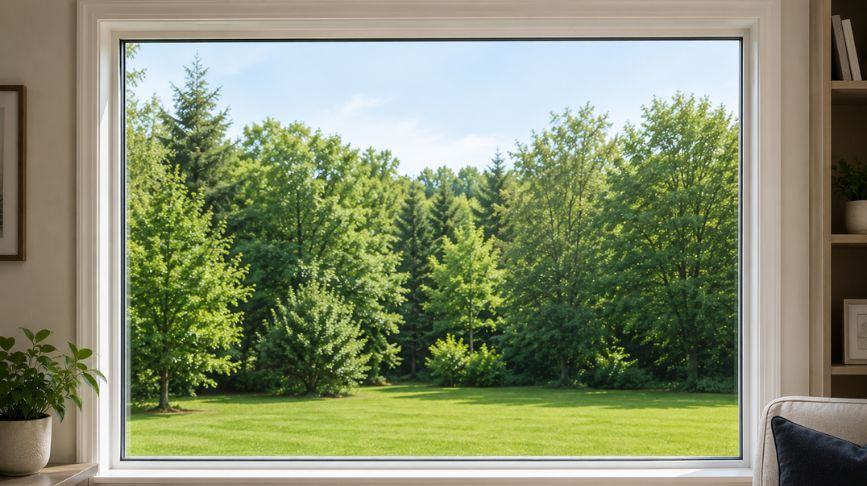
Best for: Living rooms, dining rooms, and homes with beautiful outdoor views
If your goal is to let in as much natural light as possible, picture windows are hard to beat. These large, fixed windows don't open, but they create an open, airy feel and provide an unobstructed view of the outdoors.
Because there are no moving parts, picture windows seal tightly, making them one of the most energy-efficient window styles. They're often paired with casement or double-hung windows to add ventilation while keeping the view.
Pros
Maximizes natural light
Excellent energy efficiency
Unobstructed outdoor views
Minimal maintenance
Cons
Doesn't provide ventilation
Usually combined with operable windows
Pro Tip: A large picture window in the living room can make a smaller space feel brighter and more open.
7. Bay and Bow Windows

Best for: Living rooms, front-facing rooms, and homeowners looking to add character
If you want your windows to become a design feature, bay and bow windows are worth considering.
Bay windows usually include three connected windows that project outward from the home, while bow windows use four or more windows to create a gentle curve. Both styles allow more natural light into the room and create additional interior space that can be used for seating, storage, or décor.
Although they cost more than standard windows, many homeowners choose them because they add curb appeal and can increase a home's value.
Pros
Creates extra interior space
Adds architectural interest
Brings in more natural light
Can increase resale value
Cons
Higher installation cost
May require structural modifications
Pro Tip: Bay windows make an excellent reading nook or breakfast area when paired with a built-in bench.
8. Hopper Windows

Best for: Basements, utility rooms, and laundry rooms
Hopper windows may be small, but they serve an important purpose. They're hinged at the bottom and open inward from the top, allowing fresh air into areas where larger windows aren't practical.
They're commonly installed in basements because they provide ventilation while maintaining security and helping keep rain out.
Pros
Great for compact spaces
Good airflow
Secure locking system
Energy-efficient seal
Cons
Smaller viewing area
Open sash projects into the room
Pro Tip: Hopper windows are a practical choice for finished basements that need better ventilation without sacrificing wall space.
9. Garden Windows

Best for: Kitchens and homeowners who enjoy indoor plants
Garden windows extend outward from your home's exterior, creating a small shelf-like space surrounded by glass. They're most commonly installed above kitchen sinks and are perfect for growing herbs, flowers, or small houseplants.
Besides adding extra sunlight, garden windows can also make your kitchen feel larger and brighter.
Pros
Perfect for herbs and indoor plants
Adds extra shelf space
Brings in abundant natural light
Creates a unique focal point
Cons
More expensive than standard windows
Requires professional installation
Pro Tip: If your kitchen gets plenty of sunlight, a garden window can become the perfect spot for fresh herbs you'll use every day.
10. Skylights and Roof Windows

Best for: Bathrooms, hallways, lofts, and rooms with limited wall space
Some rooms don't have enough wall space for traditional windows. That's where skylights and roof windows can make a big difference.
Installed directly into the roof, these windows bring natural light into darker areas of your home. Some models are fixed, while others can be opened to improve ventilation.
Modern skylights also feature energy-efficient glass that helps reduce heat transfer while allowing plenty of daylight inside.
Pros
Brightens dark rooms
Reduces the need for artificial lighting
Vented models improve airflow
Makes rooms feel larger
Cons
Higher installation cost
Professional installation is essential to prevent leaks
Pro Tip: Choose Low-E glass skylights to help control heat gain during the summer months.
How to Choose the Right Window for Your Home
Choosing the right window isn't just about appearance. The best option depends on how you use the room, your local climate, your budget, and how much maintenance you're comfortable with.
1. Consider Energy Efficiency
Energy-efficient windows can help keep your home comfortable throughout the year while reducing heating and cooling costs. Choosing the right glass package, frame material, and window style can make a noticeable difference in your home's overall performance, especially if you're looking for more energy-efficient window options.
Look for features like:
Low-E glass coatings
Double- or triple-pane glass
Argon gas fills
If you live in a hot climate like San Antonio, choosing windows with a lower Solar Heat Gain Coefficient (SHGC) can help reduce unwanted heat from the sun.
2. Think About Ventilation
Not every room needs the same amount of airflow.
Casement, awning, sliding, and double-hung windows are all excellent choices if ventilation is a priority. Picture windows, on the other hand, are designed for natural light rather than airflow.
3. Match Your Home's Style
Your windows should complement your home's architecture.
Traditional homes often look best with double-hung or bay windows.
Modern homes pair well with sliding and picture windows.
Farmhouse-style homes commonly feature double-hung and casement windows.
4. Consider Maintenance
If you want windows that are easy to care for, vinyl frames are one of the lowest-maintenance options available.
Double-hung windows with tilt-in sashes also make cleaning much easier, especially in two-story homes.
5. Set a Realistic Budget
Window prices vary depending on size, material, glass package, and installation requirements.
Budget-friendly: Single-hung and hopper windows
Mid-range: Double-hung, sliding, and awning windows
Premium: Casement, bay, bow, and skylights
Spending a little more on quality windows can improve comfort and reduce long-term energy costs.
Quick Decision Guide
If You Want... | Best Window Type |
A versatile window for most rooms | Double-Hung |
A budget-friendly option | Single-Hung |
Maximum ventilation | Casement |
Fresh air during light rain | Awning |
Wide outdoor views | Sliding |
Maximum natural light | Picture |
More curb appeal | Bay or Bow |
A basement window | Hopper |
A sunny space for herbs | Garden |
More daylight in dark rooms | Skylight or Roof Window |
Pro Tip
If you’re replacing all the windows in your home, don’t choose a single style for every room. A combination often works best; for example, casement windows in the kitchen, double-hung windows in bedrooms, and a large picture window in the living room. This approach gives you better ventilation, easier maintenance, and a more customized look throughout the house.
Frequently Asked Questions
Which type of window is best for most homes?
Double-hung windows are the most versatile option because they provide good ventilation, are easy to clean, and complement almost any home style.
Which window style is the most energy efficient?
Casement windows are among the most energy-efficient because they create a tight seal when closed. Picture windows are also highly efficient since they don't open.
Which windows let in the most natural light?
Picture windows, bay windows, bow windows, and skylights are excellent choices for bringing more natural light into your home.
Are new windows worth the investment?
Yes. New windows can improve comfort, reduce energy costs, increase curb appeal, and add value to your home.
Final Thoughts
There's no single window style that's perfect for every home. The right choice depends on your budget, the way you use each room, and the features that matter most to you—whether that's better ventilation, improved energy efficiency, or more natural light.
Before choosing a new window style, take a moment to identify what's prompting the replacement. Whether you're dealing with poor insulation, damaged frames, or leaking windows, understanding the problem will help you choose a solution that meets your home's needs.
If you're planning a window replacement or new window installation in San Antonio, Window and Door Renovations LLC is here to help. Our team can recommend the best window styles for your home, explain your options, and provide professional installation that delivers lasting performance. Whether you're replacing one window or upgrading your entire home, we'll help you make a choice you'll feel confident about for years to come.